


EPDs for Concrete: A Guide for Ready Mix, Block, Pavers, Cement, Precast, Aggregates, Asphalt, Dry Mix, and SCMs

An EPD is a verified document that reports the environmental impact of a product. For concrete and related construction materials, the most watched number is usually Global Warming Potential, or GWP.
GWP is the carbon footprint number shown in kg CO2e, and it helps project teams understand the climate impact of a product for a specific unit, such as one cubic yard of ready mix concrete, one metric ton of cement, one ton of asphalt mix, or one concrete masonry unit.
Environmental Product Declarations, or EPDs, are becoming a normal part of how construction materials are specified, compared, and purchased. Ready mix concrete producers, block manufacturers, paver producers, cement companies, precast plants, aggregate suppliers, asphalt producers, dry mix manufacturers, and SCM suppliers are all being asked for verified product carbon data. These requests are coming from owners, engineers, architects, contractors, DOTs, public agencies, LEED projects, data centers, universities, and low-carbon procurement programs.
This guide explains how EPDs work across the concrete and heavy construction materials supply chain. It covers ready mix, block, pavers, cement, precast, aggregates, asphalt, dry mix, and supplementary cementitious materials (SCMs). It also explains how EPDs are created, what data producers need, how to read GWP, what A1-A3 means, and why Buy Clean, LEED, DOTs, and global embodied carbon policies are increasing demand.
Key Takeaways
- Concrete and construction material EPDs are becoming a practical business requirement. They are increasingly used in bids, submittals, LEED projects, Buy Clean programs, DOT work, data centers, universities, public infrastructure, and owner-driven low-carbon specs.
- GWP is usually the number project teams care about most. It is commonly reported as kg CO2e per declared unit and helps compare the carbon impact of products when the EPDs use the same rules, scope, and units.
- Each material category needs its own EPD strategy. Ready mix, block, pavers, cement, precast, aggregates, asphalt, dry mix, and SCMs each have different product rules, data needs, carbon drivers, and customer requirements.

What Is an EPD for Concrete and Construction Materials?
An Environmental Product Declaration (EPD) for concrete or construction materials is a verified environmental report that shows the impact of a specific product or product group. It is based on a Life Cycle Assessment, or LCA. The LCA measures the materials, energy, transportation, emissions, water, waste, and production activities connected to making the product.
For ready mix concrete, an EPD may report the impact of a specific mix design. For cement, it may report the impact of one metric ton of cement. For asphalt, it may report the impact of one ton of asphalt mixture. For block, pavers, precast, aggregates, dry mix, or SCMs, the declared unit and data requirements depend on the product category rules and the EPD program being used.
An EPD does not automatically mean a product is low carbon. It means the product’s environmental impact has been measured, verified, and published using a standardized process. A high-carbon product can have an EPD, and a lower-carbon product can have an EPD. The value is that the data is visible, credible, and easier to compare.
An EPD is not a green label. It is verified product data.
Why EPDs Matter for Concrete, Asphalt, and Related Materials
Concrete, cement, asphalt, aggregates, and manufactured concrete products are used at huge scale. Buildings, roads, bridges, warehouses, airports, campuses, data centers, and public infrastructure all rely on these materials. Because they are used in such large quantities, their embodied carbon can have a major impact on project-level carbon reporting.
Project teams are also under more pressure to document carbon. Owners want to meet climate goals. Agencies want to use lower-carbon materials. Designers need data for LEED and whole-building LCA. Contractors need documentation for submittals. Producers need to respond quickly when a bid, spec, or DOT program asks for EPDs.
This is why EPDs are moving from “nice to have” to “need to have” in many construction markets. Producers that can provide credible EPDs are easier to specify, easier to compare, and easier to include in projects with embodied carbon requirements. Producers that cannot provide EPDs may still make quality products, but they can become harder for project teams to use when carbon documentation is required.
.png)
How EPDs Are Created for Concrete and Construction Materials
Most EPDs follow a similar process. The exact details depend on the product type, program operator, product category rules, and region. The overall goal is the same: collect product data, conduct an LCA, verify the results, and publish a document that customers and project teams can use.
When you work with an experienced EPD provider like Climate Earth, our team manages this process for you—from data collection and life cycle assessment through verification and publication—making it easier to develop accurate, standards-compliant EPDs.
- Select the right Product Category Rules.
Product Category Rules, or PCRs, are the rulebook for the EPD. They explain how the LCA should be completed, what data is required, what life cycle stages are included, and how results should be reported. For construction products, standards like ISO 14025, ISO 21930, EN 15804+A2, and category-specific PCRs are commonly relevant. - Collect product and production data.
Producers need accurate data on raw materials, energy, fuel, transportation, water, waste, production volumes, and product formulations. Ready mix producers may need mix design and plant data. Asphalt producers may need binder, aggregate, RAP, plant fuel, and production temperature data. Cement producers may need kiln, fuel, clinker, electricity, and grinding data. - Conduct the Life Cycle Assessment.
The LCA calculates the environmental impacts of the product. It translates production and supply chain data into impact categories such as Global Warming Potential, acidification, eutrophication, ozone depletion, energy use, water use, and resource depletion. - Prepare the EPD report.
The LCA results are organized into an EPD document. The report includes the product description, declared unit, system boundary, environmental impact tables, standards, PCR, program operator, and verification information. - Complete third-party verification.
An independent verifier reviews the EPD to make sure it follows the correct PCR, standards, assumptions, and reporting rules. This is what makes the EPD credible for project teams, agencies, certification programs, and procurement. - Publish the EPD.
Once verified, the EPD is published through a program operator or registry. It can then be used in bids, submittals, LEED documentation, Buy Clean programs, embodied carbon calculations, and customer conversations. - Contact Climate Earth if you need to get started with setting up EPDs.
The hardest part of an EPD is usually not the report. It is getting clean, specific, usable data.
.png)
What GWP Means in Concrete and Construction Material EPDs
Global Warming Potential, or GWP, is the climate impact number on an EPD. It is usually shown as kilograms of carbon dioxide equivalent, written as kg CO2e. This number converts different greenhouse gases into one common unit so products can be compared more easily.
For concrete and related materials, GWP is often the first number project teams look at. A lower GWP may mean lower embodied carbon, but only if the comparison is fair. The products must serve the same purpose, use the same declared unit, follow the same PCR, and include the same life cycle stages.
For example, comparing one cubic yard of ready mix concrete to one metric ton of cement does not make sense. Those are different products with different functions. A better comparison would be two ready mix concrete designs with similar strength, durability, exposure, and performance requirements.
What A1-A3 or Cradle to Gate Means in Concrete EPDs
Many construction product EPDs report impacts using life cycle modules. For concrete and related materials, the most common scope is often cradle-to-gate, which usually includes A1, A2, and A3. These modules cover the product stages before the material leaves the producer.
- A1: Raw material supply
This includes extraction, processing, and production of input materials. For ready mix, this may include cement, aggregates, SCMs, admixtures, and water. For asphalt, this may include binder, aggregates, RAP, and additives. For dry mix, this may include cement, sand, additives, and packaging inputs if included by the PCR. - A2: Transportation to manufacturing
This includes transporting raw materials to the plant. For concrete, the distance from cement terminals, aggregate sources, SCM suppliers, and admixture suppliers can affect the result. For asphalt, aggregate haul distance and binder delivery can matter. - A3: Manufacturing
This includes the production process at the plant. It may include electricity, fuel, heating, batching, mixing, crushing, drying, grinding, curing, packaging, or other plant operations depending on the product.
A1-A3 is important because many construction material EPDs focus on upfront product impacts. These are the impacts that happen before the product gets to the job site. For project teams trying to reduce embodied carbon, A1-A3 is often the first place they look.
.png)
Core EPD and LCA Standards
Most EPDs are built from a few core international standards. These standards are not just technical background. They are often referenced by program operators, project specifications, green building systems, and procurement programs.
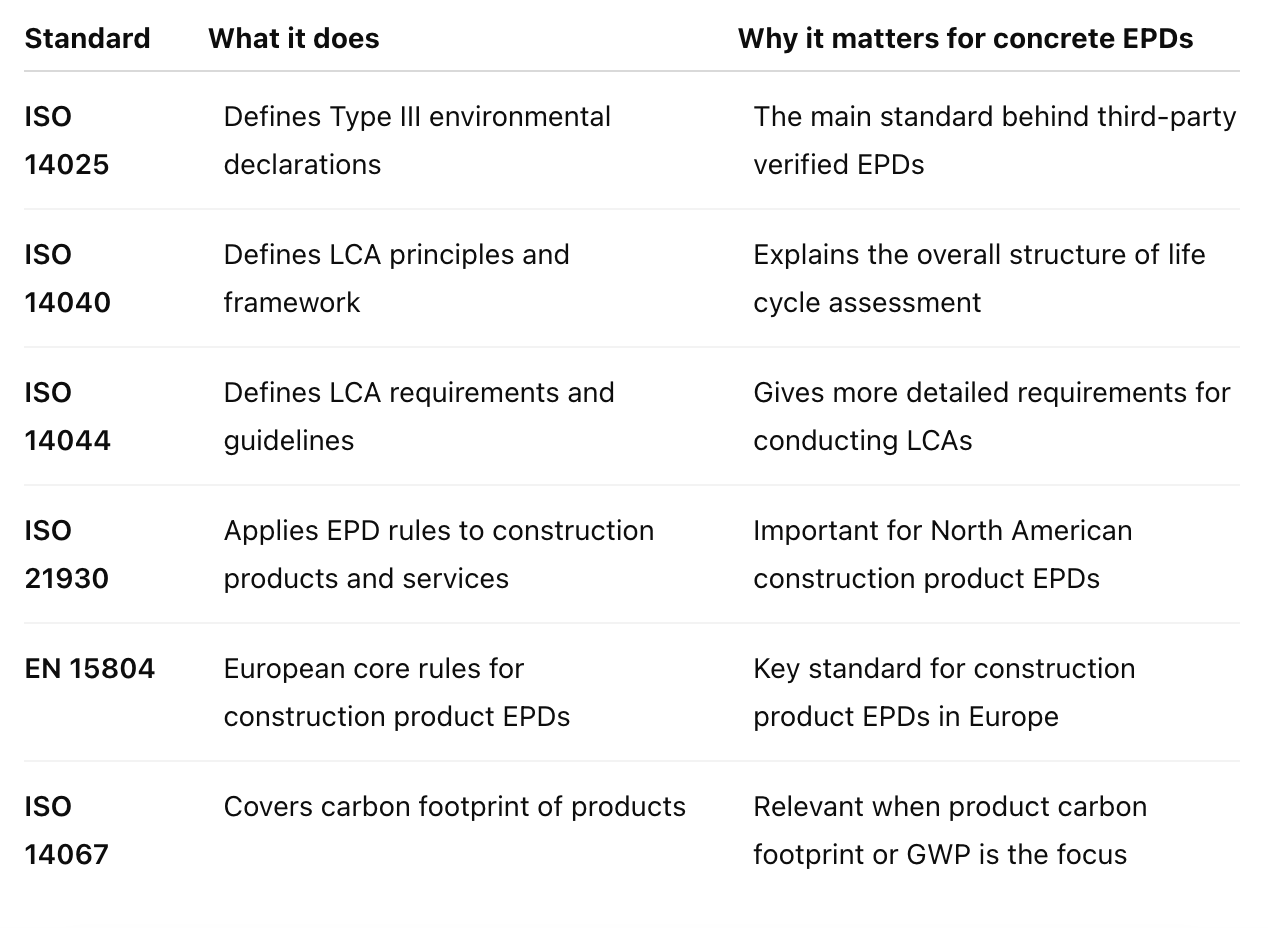
These standards help keep EPDs consistent. ISO 14025 gives the EPD framework. ISO 14040 and ISO 14044 guide the LCA process. ISO 21930 and EN 15804 are especially important for construction products because they help define how building material impacts are reported.
For concrete producers, the most important practical point is this: the project or market may specify which standard it accepts. A U.S. public project may reference ISO 21930 or a North American program operator. A European project may require EN 15804-aligned EPDs. A producer selling into multiple markets may need to understand both.
What Is a PCR?
A Product Category Rule, or PCR, is the product-specific rulebook for an EPD. It explains how the LCA should be done for a certain type of product. It also defines the declared unit, system boundary, required data, impact categories, and reporting format.
PCRs are what make EPDs more comparable within the same product category. Without PCRs, two producers could measure similar products in completely different ways. With a PCR, the EPD has a clearer structure and follows rules that buyers and verifiers can review.
For concrete and related materials, different PCRs may apply depending on the product. Ready mix concrete, cement, asphalt mixtures, aggregates, precast products, masonry units, pavers, dry mix products, and SCMs may each require different product category rules or sub-category rules. This is why producers should confirm the correct PCR before starting an EPD.
Common PCR Questions for Concrete Producers
Before developing an EPD, producers should ask:
- What exact product category are we declaring?
A ready mix concrete EPD is not the same as a cement EPD, asphalt EPD, aggregate EPD, or dry mix EPD. The product category determines the PCR. - What declared unit does the PCR require?
Ready mix may use cubic yards or cubic meters. Asphalt may use tons of asphalt mixture. Cement, aggregates, and SCMs often use mass-based units. Block, pavers, and precast may use a unit, area, volume, or mass depending on the rules. - Which life cycle modules are required?
Many construction material EPDs focus on A1-A3, which covers raw material supply, transport to manufacturing, and manufacturing. Some PCRs or project requirements may ask for additional modules. - Which program operator will publish the EPD?
Program operators manage EPD publication and verification rules. Examples include NRMCA, ASTM, NSF, UL Solutions, Smart EPD, EPD International, IBU, INIES, and other regional systems. - Will the EPD be accepted by the target project or policy?
This is the most practical question. A technically valid EPD is only useful if the owner, agency, green building program, or procurement policy accepts it.
Start with the project requirement, then work backward to the right standard, PCR, and program operator.
How to Read a Concrete or Construction Material EPD
Reading an EPD is easier when you follow the same process each time. Do not jump straight to the GWP number without checking the product, unit, scope, and rules. A low number only helps if the comparison is fair.
Step 1: Confirm the product type
First, check whether the EPD is for ready mix, block, pavers, cement, precast, aggregates, asphalt, dry mix, or SCMs. These products are not interchangeable. A concrete mix EPD should not be compared directly to a cement EPD, aggregate EPD, or asphalt EPD.
Step 2: Check the declared unit
The declared unit tells you what the GWP number is based on. Ready mix may use cubic yards or cubic meters. Cement, aggregates, and SCMs may use metric tons. Asphalt may use tons of mixture. Dry mix may use mass or packaged product quantity. Block and pavers may use units, area, mass, or another declared unit depending on the PCR.
Step 3: Review the life cycle scope
Check whether the EPD covers A1-A3 only or includes other modules. A1-A3 is common for cradle-to-gate construction product EPDs. If one EPD includes extra stages and another does not, the numbers may not be directly comparable.
Step 4: Find the GWP value
Look for GWP, climate change, or global warming potential in the environmental impact table. Make sure you are reading the correct unit and module. For many project requirements, the A1-A3 GWP value is the most important.
Step 5: Check whether the EPD is product-specific or industry-wide
A product-specific or plant-specific EPD usually gives more accurate project-level data than an industry-wide EPD. Industry-wide EPDs can be useful, but they may not reflect the exact product or plant being used.
Step 6: Check the PCR, standard, and program operator
The EPD should identify the PCR, standard, program operator, and verifier. This tells you which rules were followed. It also helps confirm whether the EPD will be accepted for the project, policy, or certification requirement.
Step 7: Check the publication and expiration date
EPDs are often valid for about five years, but always check the date. Products, suppliers, plants, energy sources, and production processes can change. A current EPD is more useful than an outdated one.
Before comparing GWP numbers, make sure the EPDs are measuring the same kind of product in the same way.
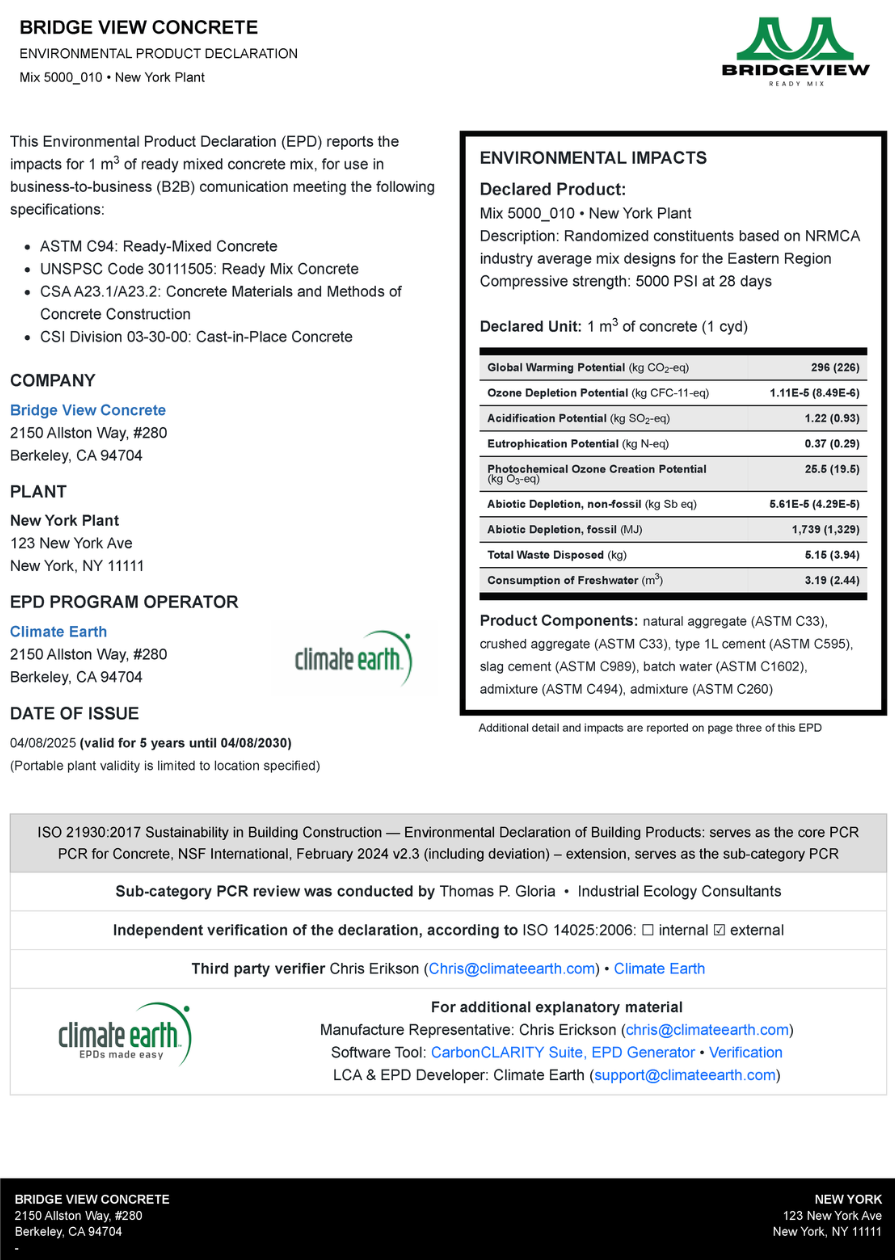
How to Compare EPDs Across Ready Mix, Block, Pavers, Cement, Precast, Aggregates, Asphalt, Dry Mix, and SCMs
EPDs should be compared carefully. The most common mistake is comparing numbers that are not actually comparable. A ready mix EPD for a concrete mix should not be compared to a cement EPD, because cement is an ingredient and ready mix is a finished material.
A fair comparison should consider:
- Same product category
- Same declared unit
- Same life cycle scope
- Same or compatible PCR
- Similar performance requirements
- Similar strength, density, or durability requirements
- Similar location or supply context
- Product-specific data when available
- Current publication dates
- Clear third-party verification
For ready mix, performance matters. A lower-GWP mix is not useful if it does not meet strength, durability, placement, finishability, schedule, or specification requirements. For asphalt, mix type and pavement performance matter. For precast, block, pavers, and dry mix, product function, density, durability, strength, and installation requirements all affect the comparison.
What Producers Should Do Before Creating EPDs
Before developing EPDs, producers should map the standards, PCRs, and policy requirements that matter most to their market. A ready mix producer serving DOT work in the U.S. may need a different EPD strategy than a precast producer selling into European projects. A dry mix manufacturer selling through retail and commercial channels may need a different approach than an asphalt producer serving state transportation agencies.
Use this checklist before starting:
- Identify the product category: ready mix, block, pavers, cement, precast, aggregates, asphalt, dry mix, or SCMs
- Confirm the correct PCR
- Confirm whether ISO 21930, EN 15804, or another construction product standard applies
- Identify the program operator or registry customers will accept
- Confirm the declared unit and life cycle scope
- Check whether the project requires A1-A3 or additional modules
- Check whether the EPD needs to support Buy Clean, LEED, GSA, FHWA, DOT, Canada federal requirements, or European building LCA
- Confirm whether product-specific, plant-specific, mix-specific, or industry-wide data will be accepted
- Gather supplier EPDs where available for cement, SCMs, aggregates, asphalt binder, packaging, or other inputs
- Plan how EPDs will be updated when plants, suppliers, materials, or formulations change
EPDs for Ready Mix Concrete
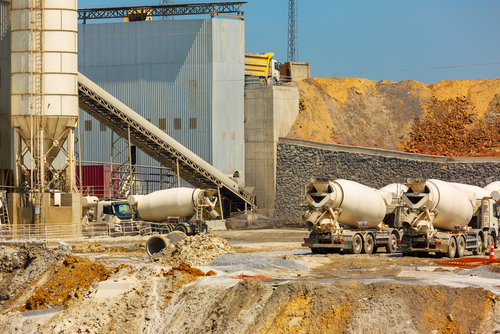
Ready mix concrete EPDs are usually tied to mix designs. This makes ready mix different from many manufactured products because mixes can vary by plant, strength, slump, exposure class, cement type, SCM availability, aggregate source, and project requirement. A producer may need EPDs for common mixes, project-specific mixes, or a large set of mix designs across multiple plants.
The biggest carbon driver in many ready mix EPDs is cement. Cement content, clinker content, and cement type can significantly affect GWP. Aggregates, admixtures, water, plant energy, and transportation also matter, but cement is often the largest driver.
Ready mix EPDs are especially useful for projects that need mix-specific carbon data. Data centers, universities, DOTs, public agencies, LEED projects, and large owners may ask for EPDs during bidding or submittals. Producers that can generate EPDs quickly are better positioned when project teams need carbon data before approval.
Because ready mix EPDs are tied to changing mix designs, plant data, and material inputs, producers usually need concrete-specific EPD software to manage them at scale.
Ready Mix EPD Data Producers Usually Need
- Mix design
- Cement type and quantity
- SCM type and quantity
- Aggregate type and quantity
- Admixtures
- Water
- Plant location
- Plant energy use
- Production volume
- Raw material transportation distances
- Delivery assumptions if required by the scope
- Strength or performance class
- Declared unit, often cubic yard or cubic meter
For ready mix, the EPD conversation is really a mix design conversation.
EPDs for Concrete Block and CMUs
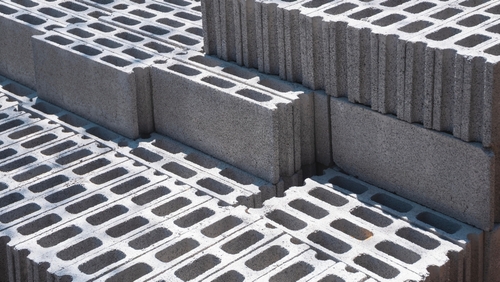
Concrete masonry units, often called CMUs or concrete block, have their own EPD considerations. A block producer may need EPDs for standard gray block, lightweight block, architectural block, split-face block, burnished block, or other product lines. The product type, density, cement content, aggregate type, curing process, and manufacturing energy can all affect the final GWP.
Block EPDs are useful for building projects where masonry is a major material category. Architects, engineers, sustainability consultants, and contractors may use CMU EPDs to calculate embodied carbon or support green building documentation. Producers may also need EPDs when owners ask for product transparency or lower-carbon material options.
For block manufacturers, product grouping matters. A standard gray CMU may not have the same footprint as an architectural block with pigments, special aggregates, or additional finishing. A good EPD strategy should group products in a way that is accurate enough for buyers but practical enough for producers to manage.
Block and CMU EPD data producers usually need
- Product type and dimensions
- Product weight or density
- Cement content
- Aggregate type and source
- Water
- Pigments or additives if used
- Plant electricity
- Plant fuel
- Curing process
- Production volume
- Waste and scrap rates
- Packaging if included
- Declared unit, such as one block, mass, or area depending on the PCR
EPDs for Concrete Pavers and Hardscape Products
Concrete pavers and hardscape products are often specified in commercial, municipal, campus, landscape, streetscape, and infrastructure projects. These products may include interlocking pavers, permeable pavers, slabs, retaining wall units, segmental wall products, curbs, and other hardscape units. EPDs help project teams understand the environmental impact of these products when hardscape materials make up a meaningful part of the project.
Paver EPDs can be affected by cement content, aggregate gradation, product density, pigment use, curing, manufacturing energy, waste, and product finish. Decorative finishes, colors, face mixes, and specialty products may have different footprints than standard products. This is why producers need to be careful when deciding whether an EPD covers one product, a product family, or several related products.
Paver producers may see EPD demand from landscape architects, municipalities, universities, transportation-adjacent projects, LEED projects, and private owners with carbon goals. Permeable pavers may also be part of stormwater or resilience strategies, but the EPD still focuses on environmental impact data, not a general “green” label.
Paver and hardscape EPD data producers usually need
- Product type and dimensions
- Product weight or density
- Cement content
- Aggregate type and source
- Pigments or color layers
- Additives
- Plant energy
- Curing process
- Production volume
- Waste and scrap
- Packaging if included
- Declared unit, such as one unit, mass, or area depending on the PCR
For pavers, the EPD needs to match how the product is actually specified, sold, and installed.

EPDs for Cement
Cement EPDs are critical because cement is often one of the largest contributors to GWP in concrete products. A cement EPD reports the environmental impact of cement production, usually per metric ton or another mass-based unit. It may include raw materials, kiln fuel, clinker production, grinding energy, electricity, and other plant processes.
Cement GWP is influenced by clinker content, kiln efficiency, fuel mix, alternative fuels, electricity source, limestone content, blended cement formulation, and plant technology. Because cement is upstream of ready mix, block, pavers, precast, dry mix, and many other cementitious products, cement EPDs can affect many downstream EPDs.
Ready mix producers and manufactured concrete producers often need cement supplier data to create accurate EPDs. If a cement supplier has product-specific or plant-specific EPDs, downstream producers may be able to use better data than generic industry averages. This can improve the accuracy of their own EPDs and may help reflect real supplier performance.
Cement EPD data usually includes
- Cement type
- Clinker content
- Limestone or other additions
- Raw materials
- Kiln fuels
- Alternative fuels
- Electricity use
- Grinding energy
- Plant location
- Production volume
- Transportation assumptions if included
- Declared unit, often one metric ton
.jpg)
EPDs for Precast Concrete
Precast concrete EPDs can cover many product types, including structural precast, architectural panels, double tees, beams, columns, hollowcore, pipe, vaults, barriers, utility structures, bridge components, drainage products, and other manufactured concrete elements. Precast is different from ready mix because the product is manufactured, cured, and delivered as a finished or semi-finished component.
For precast, the EPD may need to account for the concrete mix, reinforcing steel, prestressing strand, embeds, inserts, curing energy, plant operations, product weight, and waste. Reinforcement can be a major part of the footprint for some products, especially structural components. Product design and geometry also matter because a lighter or more efficient component may reduce impact per function.
Precast producers may see EPD requests from transportation agencies, infrastructure projects, utilities, public owners, data centers, warehouses, and building projects. As embodied carbon requirements expand, precast suppliers may need to provide EPDs earlier in the specification and submittal process.
Precast EPD data producers usually need
- Product type and dimensions
- Concrete mix design
- Cement and SCM content
- Aggregates
- Reinforcing steel
- Prestressing strand if used
- Inserts or embedded materials
- Plant energy
- Curing process
- Production volume
- Waste and scrap
- Transportation assumptions if included
- Declared unit based on the product category
Precast EPDs need to reflect both the concrete and the manufacturing process.

EPDs for Aggregates
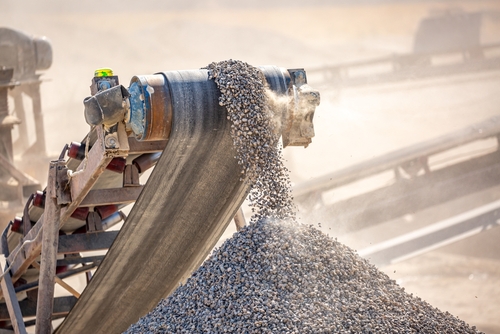
Aggregate EPDs report the environmental impact of materials such as sand, gravel, crushed stone, manufactured sand, lightweight aggregate, and other mineral aggregates. Aggregates usually have lower GWP per unit than cement, but they are used in large quantities. Their impact can still matter, especially when haul distances are long or production is energy-intensive.
Aggregate impacts are usually driven by extraction, blasting if applicable, crushing, screening, washing, fuel use, electricity, equipment, and transportation. The declared unit is often mass-based, such as one metric ton. For downstream concrete and asphalt EPDs, aggregate data helps improve accuracy.
Aggregate suppliers may see EPD requests from concrete producers, asphalt producers, DOTs, public projects, and large owners. If a buyer is trying to reduce embodied carbon, local sourcing and transportation distances can become part of the conversation. Better aggregate data can also help ready mix, precast, block, paver, dry mix, and asphalt producers create more accurate product EPDs.
Aggregate EPD data producers usually need
- Aggregate type
- Quarry or pit location
- Extraction method
- Crushing and screening energy
- Washing water and energy if applicable
- Equipment fuel
- Electricity use
- Production volume
- Waste or fines handling
- Transportation assumptions if included
- Declared unit, often one metric ton
Aggregates may have a lower footprint per unit, but they matter because they move in very large volumes.
EPDs for Asphalt
Asphalt EPDs are becoming more important because asphalt is a major transportation material. DOTs, highway agencies, municipalities, airports, and infrastructure owners are increasingly interested in lower-carbon paving materials. Asphalt EPDs can help report GWP and other environmental impacts for asphalt mixtures.
Asphalt GWP can be influenced by binder content, aggregate sources, reclaimed asphalt pavement, warm mix technologies, plant fuel, drying energy, moisture content, production temperature, transportation, and mix design. Reclaimed asphalt pavement, often called RAP, can affect both material use and environmental impact, but it must be modeled correctly under the applicable rules.
For asphalt producers, EPDs may become especially relevant through transportation funding, low-carbon transportation materials programs, DOT specifications, and Buy Clean-style procurement. Producers that already understand their mix-level data will be better prepared as public agencies ask for more carbon documentation.
Asphalt EPD data producers usually need
- Asphalt mix design
- Binder type and quantity
- Aggregate type and quantity
- RAP or recycled content
- Additives
- Plant fuel use
- Electricity use
- Production temperature
- Moisture assumptions
- Haul distances for inputs
- Production volume
- Declared unit, often one ton of asphalt mixture
For asphalt, binder, aggregates, RAP, plant fuel, drying energy, and production temperature can all affect the EPD result.

EPDs for Dry Mix Products
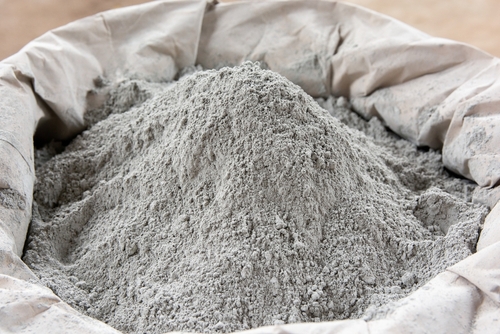
Dry mix products include bagged concrete, mortar, grout, stucco, repair mortars, non-shrink grout, floor underlayments, overlays, self-leveling products, shotcrete materials, and other pre-blended cementitious products. These products can have different EPD needs than ready mix because they are manufactured, packaged, stored, shipped, and later mixed with water or used on site.
Dry mix GWP can be affected by cement content, SCMs, sand or aggregate content, fillers, additives, plant energy, packaging, and transportation. Packaging can matter more for dry mix than for bulk ready mix because bags, pallets, plastic wrap, and distribution may be part of the product system depending on the scope.
Dry mix producers may need EPDs for retail, commercial, infrastructure, repair, restoration, flooring, masonry, or specification-driven markets. Since dry mix products are often sold across regions, producers should pay close attention to product grouping, plant coverage, transportation assumptions, packaging assumptions, and program operator requirements.
Dry mix EPD data producers usually need
- Product formulation
- Cementitious material content
- Sand or aggregate content
- Fillers
- Additives
- Plant energy
- Production volume
- Packaging materials
- Waste and off-spec product
- Transportation assumptions if included
- Declared unit, such as mass or packaged product quantity
For dry mix, packaging and distribution may matter more than producers expect.
EPDs for SCMs
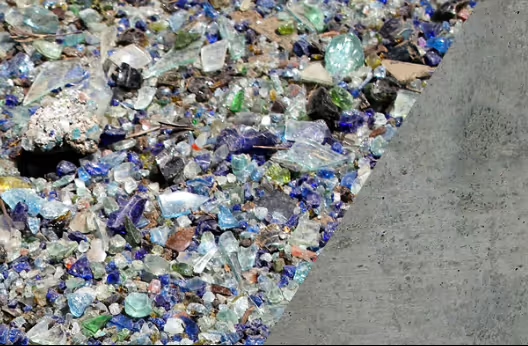
Supplementary cementitious materials, or SCMs, include materials such as fly ash, slag cement, silica fume, natural pozzolans, calcined clay, and other cement replacement materials. SCMs are important because they can reduce the GWP of concrete when used correctly and when they meet performance requirements.
SCM EPDs help downstream producers understand the environmental impact of cementitious material options. They can also support better ready mix, precast, block, paver, dry mix, and concrete product EPDs. As traditional SCM supplies change in some regions, producers may need better data on newer or alternative SCM sources.
The LCA treatment of SCMs can be complex because some materials are byproducts or co-products from other industries. Allocation rules, processing energy, transportation, drying, grinding, and regional supply can affect the final EPD. This is why SCM EPDs should be read carefully and used consistently.
SCM EPD data usually includes
- SCM type
- Source material
- Processing energy
- Drying or grinding energy if applicable
- Transportation
- Allocation assumptions
- Production volume
- Declared unit, often mass-based
- Quality or performance classification if relevant
SCMs can reduce concrete GWP, but the EPD still needs to show how the SCM itself was sourced, processed, and transported.
What Drives GWP Across These Materials?
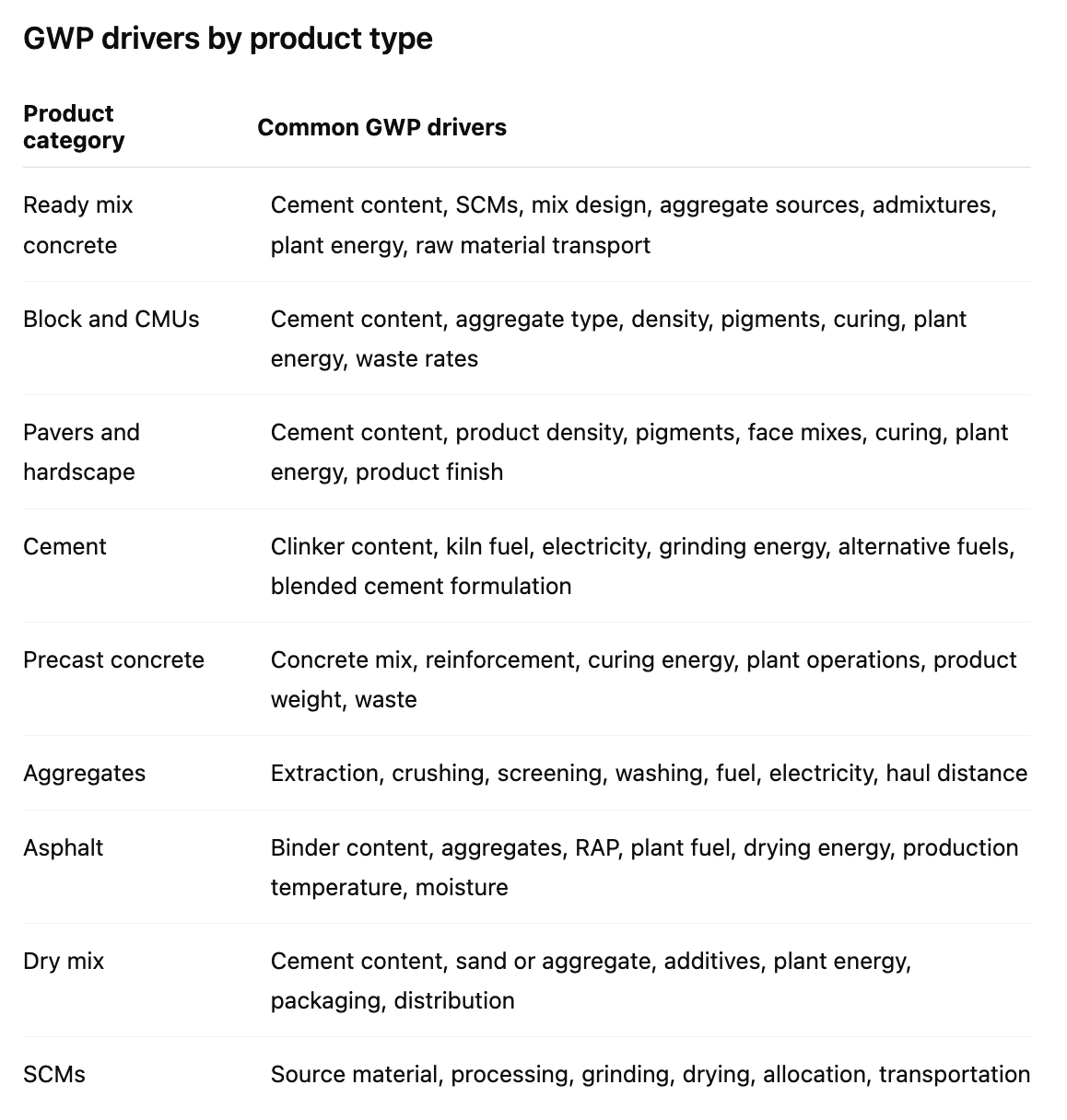
GWP drivers vary by product type, but some themes show up across the construction materials supply chain. Cementitious materials are often a major driver for concrete products. Binder and plant energy can matter for asphalt. Processing energy and transportation can matter for aggregates. Packaging can matter for dry mix. Allocation rules can matter for SCMs.
GWP Drivers by Product Type
The key is to identify the hotspot for each product. In ready mix, cement may dominate. In asphalt, binder and plant energy may be major contributors. In aggregates, transportation and processing energy may matter more. In dry mix, cement content and packaging may both be relevant.
Important EPD Policies and Requirements by Region
EPD demand is growing globally, but the reason varies by market. In the United States, EPD demand is often driven by Buy Clean policies, federal purchasing, state agencies, DOTs, and private owners. In Canada, federal embodied carbon requirements are pushing disclosure and reduction for certain construction projects. In Europe, EPDs are tied more closely to harmonized construction standards, building life cycle assessment, and digital product information.
United States: Buy Clean, EPA, GSA, FHWA, DOTs, and LEED
In the United States, EPD demand is growing because public agencies and private owners are asking for lower embodied carbon construction materials. The biggest drivers are Buy Clean policies, federal procurement, state laws, DOT programs, and owner requirements for large projects.
EPA’s label program is especially important because it is designed to help construction product manufacturers that invest in EPDs and lower embodied emissions demonstrate those achievements to customers. EPA also says many municipalities, states, and large corporations have implemented or plan to implement Buy Clean policies, and that EPDs will be used to evaluate products for label program recognition.
Important U.S. drivers include:
- Private Owner and Large Project Requirements
Private projects are becoming a major driver of EPD demand. Data centers, semiconductor plants, warehouses, distribution centers, manufacturing facilities, corporate campuses, hospitals, universities, and large commercial developments often have their own sustainability requirements. - EPA Low Embodied Carbon Construction Materials Label Program
EPA’s program is designed to create a more consistent method for reporting embodied carbon and identifying lower-carbon construction materials. EPA states that manufacturers seeking to participate should develop EPDs, and that EPDs will be used to evaluate products for inclusion in the label program. - GSA Low Embodied Carbon Materials Requirements
GSA requirements affect federal building projects and have increased demand for EPDs for materials such as concrete, asphalt, steel, and glass. - FHWA Low Carbon Transportation Materials Program
FHWA activity is important for transportation materials, especially asphalt, concrete, cement, and other infrastructure materials used in roads, bridges, and public works. - State Buy Clean Laws and DOT Programs
States and agencies may set their own requirements for EPD submission, GWP reporting, benchmarks, or incentives. This matters for ready mix, asphalt, cement, aggregate, and precast producers that serve public work. - LEED and Owner-Driven Requirements
LEED material transparency credits and owner sustainability requirements can increase demand for EPDs even when they are not legally required.
The U.S. market is fragmented. Requirements can vary by state, agency, DOT, owner, material category, funding source, and project specification.
Canada: Federal Embodied Carbon Requirements
In Canada, the most important national driver is the federal government’s embodied carbon policy for construction. Canada’s Standard on Embodied Carbon in Construction applies to certain federal construction projects and pushes project teams to disclose and reduce embodied carbon. For concrete and related materials, this increases the need for reliable GWP data and EPD-based documentation.
Canada’s approach is different from the U.S. because it creates a more centralized federal signal. The U.S. has strong momentum, but many requirements are split across federal agencies, state Buy Clean laws, DOTs, and owner specifications. Canada’s federal standard gives suppliers a clearer indication that embodied carbon disclosure is becoming part of public construction.
For ready mix and concrete product producers, this means higher-resolution data may become more valuable. A product-specific, plant-specific, or mix-specific EPD can be more useful than a broad average when project teams need accurate carbon documentation. Producers serving federal, institutional, infrastructure, or large private work should expect more questions about GWP, EPDs, and material carbon.
Important Canada-related items to know:
- Standard on Embodied Carbon in Construction
- Federal construction procurement requirements
- Concrete GWP disclosure and reduction expectations
- Growing demand for product-specific and plant-specific data
- Green building and institutional owner requirements
In Canada, the market signal is moving toward disclosure first, then reduction.
Europe: EN 15804+A2, CPR, ECO Platform, DPP, and RE2020
Europe has one of the most mature markets for construction product EPDs. The most important standard is EN 15804, which provides core rules for environmental declarations of construction products. If a construction product is being sold into Europe, EN 15804 alignment is often a major requirement.
The EU Construction Products Regulation, or CPR, is also important because it lays down harmonized rules for marketing construction products in the EU. The European Commission explains that the CPR provides a common technical language to assess construction product performance and helps professionals, public authorities, and consumers compare products from different manufacturers and countries. The Commission also lists the new Regulation (EU) 2024/3110 as the full text of the new CPR framework.
Important European drivers include:
- EN 15804+A2
The core European standard for concrete product EPDs. It is central to how construction product environmental information is reported. - ECO Platform
A European system that supports harmonization and mutual recognition of verified construction EPDs across program operators. - Construction Products Regulation, or CPR
The CPR creates a common technical language for construction product performance in the EU. The revised CPR framework points toward more structured product information and stronger market surveillance. - Digital Product Passport, or DPP
The DPP is part of Europe’s broader move toward digital, structured product information. It is not the same thing as an EPD, but it points in the same direction: more accessible product data for compliance, sustainability, circularity, and supply chain transparency. - France RE2020 and INIES
France is one of the clearest examples of building-level carbon regulation. Environmental declarations for construction products, often called FDES in France, are used in building life cycle assessment through the INIES database.
Europe is different from the U.S. because EPDs are more deeply connected to building-level LCA, harmonized standards, national databases, and regulation. A European project may not just ask whether a product has an EPD. It may need the product data in a specific format, database, language, or EN 15804-aligned structure.
In Europe, EPDs are becoming part of the technical data infrastructure for construction products.
.png)
Common Mistakes to Avoid
One common mistake is treating an EPD as a one-time compliance document. EPDs are more useful when they become part of a producer’s normal data and product management process. If materials, suppliers, plants, or mix designs change, the EPD strategy may need to change too.
Another mistake is comparing products unfairly. A concrete mix with different strength, durability, or exposure requirements may not be comparable to another mix just because both have EPDs. A paver product should not be compared to a CMU. A cement EPD should not be compared to a ready mix EPD. The comparison needs to match function and scope.
A third mistake is relying too heavily on generic data when better data is available. Generic data may be acceptable in some cases, but it may not show a producer’s actual performance. If a producer has lower-carbon materials or efficient operations, product-specific data can help demonstrate that advantage.
A fourth mistake is waiting until the project deadline. EPDs take time, especially if the data is not already organized. Producers that prepare in advance are more likely to respond quickly when an owner, contractor, or agency asks for documentation.
.png)
How to Get Started with Concrete EPDs
Getting started with concrete EPDs begins with understanding which products, plants, mixes, or materials are most likely to be requested in bids, specs, or customer conversations. From there, producers need to organize the right mix, material, supplier, plant, and production data so EPDs can be created, verified, published, and used when projects ask for them.
Climate Earth helps concrete producers create and manage EPDs across ready mix, block, pavers, precast, cement, aggregates, asphalt, dry mix, and SCMs. Our platform is built to make concrete carbon data easier to calculate, update, and use across bids, submittals, and low-carbon project requirements.
Why Choose Climate Earth?
- Built for concrete and construction materials: Climate Earth is designed around the way concrete producers actually manage mixes, plants, materials, and project requirements.
- Faster EPD workflows: Create and manage EPDs without rebuilding the process from scratch every time a customer asks for carbon data.
- Practical GWP visibility: See the carbon impact of mixes, materials, and product options so your team can respond with confidence.
- Support for bids and submittals: Make it easier for sales, technical, and QC teams to provide verified EPD data when owners, contractors, DOTs, or agencies ask for it.
- Ready for low-carbon requirements: Prepare for Buy Clean policies, LEED projects, DOT programs, data centers, universities, warehouses, and owner-driven carbon specs.
- Scalable across product lines: Support EPD needs across ready mix, precast, block, pavers, cementitious products, aggregates, asphalt, dry mix, and SCM-related workflows.
Ready to Get Started? Schedule a demo to see how easy it can be to create, manage, and use concrete EPDs across your business.
Common Questions About EPDs for Concrete and Related Materials
What is a concrete EPD?
A concrete EPD is a verified Environmental Product Declaration that reports the environmental impact of a concrete product or concrete-related material. It is based on a Life Cycle Assessment and usually reports GWP, energy use, water use, and other impact categories. For ready mix, it often applies to specific mix designs.
What is GWP in a concrete EPD?
GWP stands for Global Warming Potential. It measures climate impact and is usually shown as kg CO2e per declared unit. In concrete EPDs, GWP is often the number project teams use to compare embodied carbon.
What is A1-A3 in a concrete EPD?
A1-A3 refers to the cradle-to-gate product stages. A1 is raw material supply, A2 is transportation to the plant, and A3 is manufacturing. Many construction product EPDs report A1-A3 because it shows the impact of making the product before it leaves the producer.
Do ready mix producers need EPDs?
Ready mix producers increasingly need EPDs for projects with embodied carbon requirements, LEED documentation, Buy Clean policies, DOT programs, data centers, universities, and owner-driven sustainability goals. Not every project requires them, but demand is growing. Producers with EPD workflows can respond faster when requirements appear.
Do block and paver producers need EPDs?
Block and paver producers may need EPDs when their products are used in projects with embodied carbon goals, green building documentation, municipal standards, public work, or owner-driven sustainability requirements. EPDs can help show the footprint of CMUs, architectural block, pavers, slabs, retaining wall units, and other hardscape products.
Do precast producers need EPDs?
Precast producers may need EPDs for infrastructure, public work, transportation projects, utilities, data centers, warehouses, and building projects. Precast EPDs can be more complex because they may include concrete, reinforcement, curing, plant operations, and product-specific manufacturing details.
Do asphalt producers need EPDs?
Asphalt producers are seeing more EPD interest from DOTs, transportation agencies, public infrastructure programs, and low-carbon material initiatives. Asphalt EPDs help document GWP and other impacts for asphalt mixtures. They can support public procurement and future low-carbon pavement requirements.
Are cement EPDs different from concrete EPDs?
Yes. A cement EPD reports the impact of cement production, usually per metric ton or another mass-based unit. A concrete EPD reports the impact of a concrete mix or concrete product. Cement EPDs are important because cement is often one of the largest carbon drivers in downstream concrete products.
Are aggregate EPDs useful?
Yes. Aggregate EPDs can help concrete and asphalt producers use more specific supplier data. Aggregate impacts may include extraction, crushing, screening, washing, electricity, fuel, and transportation. Aggregate EPDs can also help suppliers respond to public project and procurement requests.
What is a dry mix EPD?
A dry mix EPD reports the environmental impact of a packaged or bulk pre-blended cementitious product, such as mortar, grout, stucco, bagged concrete, or repair material. Dry mix EPDs may include cement, sand, additives, plant energy, packaging, and transportation depending on the scope.
What are SCM EPDs used for?
SCM EPDs help producers understand the footprint of supplementary cementitious materials like slag, fly ash, silica fume, calcined clay, and natural pozzolans. These EPDs can support downstream ready mix, precast, block, paver, and dry mix EPDs.
How long are EPDs valid?
Many EPDs are valid for about five years, but the exact validity period depends on the program operator and applicable rules. Producers should track expiration dates and update EPDs when products, suppliers, plants, or production processes change.
Can an EPD help a producer lower carbon?
Yes. The LCA behind the EPD can show which inputs or processes drive the most impact. Producers can use that information to optimize mix designs, reduce cement content where appropriate, use SCMs, improve energy efficiency, reduce transportation impacts, compare suppliers, and prepare lower-carbon product options.
Summary: Why EPDs Matter Across the Concrete Supply Chain
EPDs for concrete and related materials are becoming more important because the construction market is moving toward verified carbon data. Ready mix, block, pavers, cement, precast, aggregates, asphalt, dry mix, and SCM producers are all part of the embodied carbon conversation. Project teams need reliable data to compare materials, meet specs, support LEED, comply with procurement requirements, and document lower-carbon choices.
The most important number in many EPDs is GWP, but the full EPD should still be read carefully. Producers and project teams need to check the product type, declared unit, A1-A3 scope, PCR, verification, publication date, and performance requirements. A lower number only matters when the comparison is fair.
For producers, EPDs are not just paperwork. They can support bids, improve sales conversations, identify carbon hotspots, guide mix optimization, and prepare the business for Buy Clean and low-carbon procurement. As more owners, agencies, and contractors ask for product-level carbon data, EPD readiness will become a practical advantage.
Related articles

LEED v5 Requirements: What They Mean for Low Carbon Concrete

How to Read a Concrete EPD: Quick, Expert Guide